
Loading...
Serving Palm Beach, FL and surrounding areas. (561) 954-1305
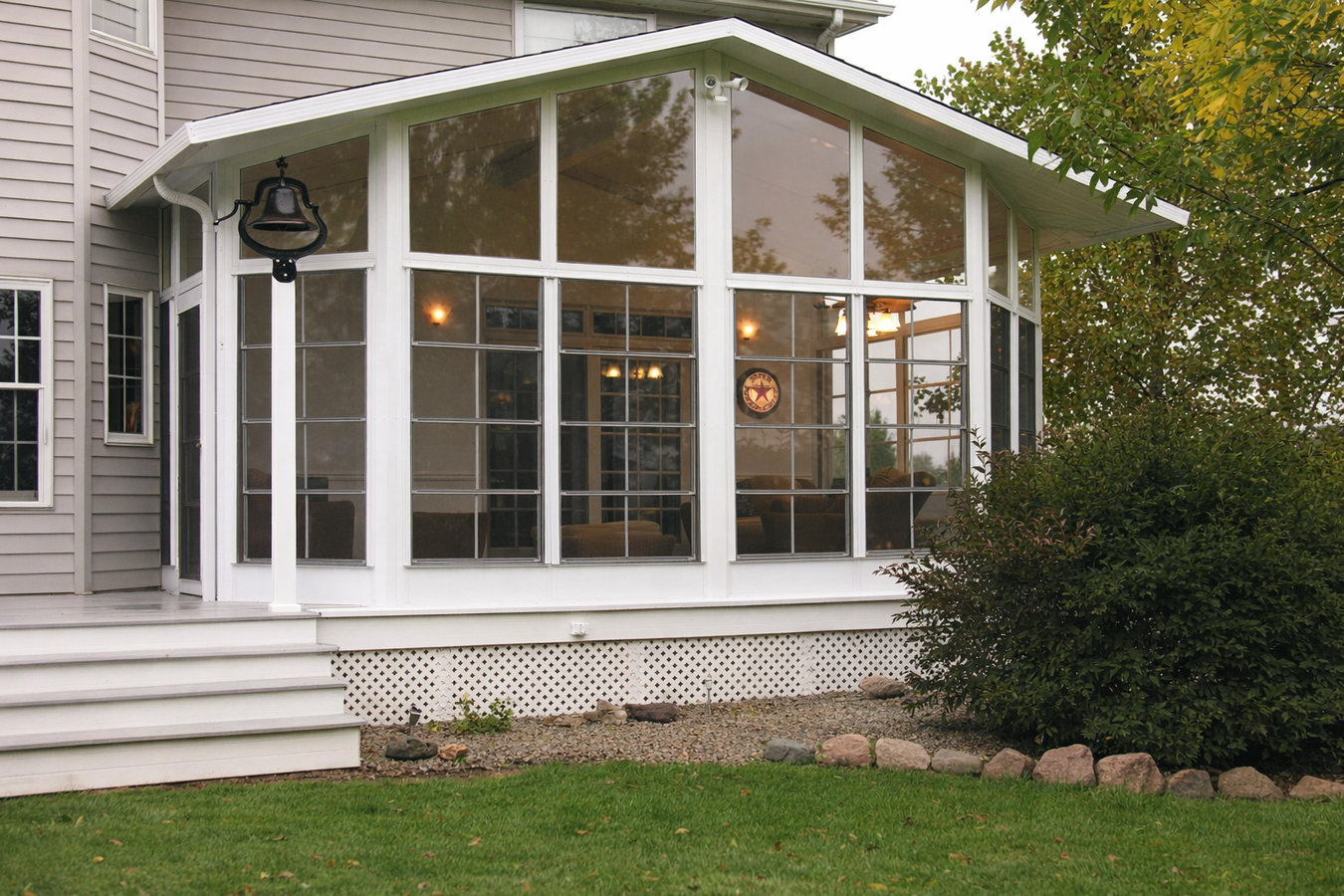
Palm Beach Lanai Sunrooms & Patios has been building four season sunrooms, patio enclosures, and screen rooms for Boynton Beach homeowners since 2019, serving neighborhoods east and west of I-95. We handle permits through the City of Boynton Beach Building Division and specify materials that stand up to the heat, humidity, and storm exposure that come with living in South Florida.
Boynton Beach sits close enough to the Atlantic that storm season is a real planning consideration, not an afterthought. A four season sunroom uses insulated framing and impact-rated glass that handles the heat, humidity, and wind loads of a coastal South Florida location - giving you a comfortable, usable room twelve months a year.
Boynton Beach summers bring daily afternoon thunderstorms from June through September, and an open patio becomes unusable for stretches of four to five months. Enclosing your patio with screens or glass panels extends the time you can actually use that space and protects outdoor furniture from the moisture and sun that breaks it down so quickly in this climate.
Screen rooms are a cost-effective way to add usable outdoor living space in Boynton Beach without the full investment of a glass enclosure. They block insects and cut direct sun exposure, which matters a great deal in a city where mosquitoes and no-see-ums are active well into October.
Many Boynton Beach homes built in the 1950s through 1980s have rear yards with room for an attached sunroom that adds genuine livable square footage. A new addition on a concrete block home needs careful foundation assessment first - existing slab conditions matter a lot in this area, and addressing them before framing saves problems later.
In a city that stays warm even in January, an all season room is comfortable nearly every day of the year. The combination of insulated panels and adequate ventilation keeps these spaces usable through Boynton Beach summers, unlike uninsulated porch conversions that become unbearably hot from May through October.
Older enclosed porches and sunrooms on mid-century Boynton Beach homes often have corroded frames, failed caulk joints, and single-pane glass that provides no storm protection. Remodeling an existing space is typically less expensive than demolishing and rebuilding, and it brings the structure in line with current Florida Building Code wind and impact requirements.
Boynton Beach covers a wide area with meaningfully different housing profiles on either side of I-95. East of the highway, the neighborhoods are older - homes from the 1950s through 1980s on smaller lots, with concrete block construction and original concrete slab foundations. These homes sit closer to the Intracoastal Waterway, where salt air is a daily factor. Salt accelerates corrosion on aluminum frames, metal hardware, gutters, and HVAC components at a pace that surprises homeowners who are used to living inland. Specifying marine-grade aluminum and corrosion-resistant fasteners is not optional in this environment - it is the standard for work that will last.
West of I-95, the housing stock shifts to larger planned communities and newer subdivisions built in the 1990s and 2000s. These homes often have HOA guidelines that affect exterior work, so permit submissions sometimes need to include HOA approval documentation before the city will accept the application. The sandy, flat terrain across Boynton Beach also means drainage planning matters. The city sits at low elevation on the FEMA flood risk map, and properties near the Intracoastal have specific elevation requirements for new construction and additions.
Our crew works throughout Boynton Beach regularly and understands the local conditions that affect sunroom and enclosure work in this city. Boynton Beach Boulevard is the road we use most often to move across the city east to west - from neighborhoods near Boynton Beach Oceanfront Park on the coast to communities well past Congress Avenue. The city is large enough that jobs in the eastern neighborhoods and jobs in the western communities feel like different markets, and we plan accordingly.
The concrete block homes east of I-95 typically need more prep work - foundation assessment, drainage review, and sometimes slab leveling - before we can safely attach a new room. Homes in newer western communities usually have cleaner foundations but often require HOA pre-approval before permit submission. Bethesda Hospital East on Seacrest Boulevard is a useful landmark: we work in neighborhoods on both sides of that corridor regularly and know the streets throughout the area.
We also serve homeowners in neighboring Haverhill to the north and Lake Worth Beach to the northwest. Wherever you are in Boynton Beach, call us and we will respond within one business day.
Call or submit the estimate form and we will get back to you within one business day. We set up a site visit at a time that works for your schedule, and you do not need to clear out the area beforehand.
We walk the space with you, assess the slab condition and drainage, and review any HOA or flood zone considerations that apply to your property. You receive a written, itemized estimate before any work is scheduled - no surprise costs after the fact.
We submit drawings and pull permits through the City of Boynton Beach Building Division. Once approved, our crew arrives on the scheduled start date with materials already staged so there are no unnecessary delays.
After construction, the city inspector reviews the completed work and issues the final permit sign-off. We walk you through the finished room, answer questions about maintenance, and leave you with copies of all permit documentation.
We work throughout Boynton Beach - east and west of I-95 - and respond to all inquiries within one business day. No obligation, no pressure.
(561) 954-1305Boynton Beach is a mid-size city in Palm Beach County, sitting roughly 57 miles north of Miami with the Atlantic Ocean to the east and the Intracoastal Waterway running along its eastern residential neighborhoods. The city grew quickly starting in the 1950s and continued expanding through the 2000s, which is why the housing stock is so varied - older concrete block homes in the eastern neighborhoods and newer master-planned communities west of I-95. Boynton Beach Boulevard runs east to west as the main corridor through the city, and Congress Avenue carries the primary commercial traffic north to south west of the highway. You can learn more about the city through the City of Boynton Beach official website.
The city has a large and diverse residential population, with a notable share of long-term homeowners and retirees who own their homes outright and invest in maintaining them. Boynton Beach Oceanfront Park on the Atlantic side gives the city a public beach anchor, and the Intracoastal corridor defines the eastern edge of the mainland neighborhoods. We regularly serve homeowners here as well as in neighboring communities including Lantana to the north and West Palm Beach further up the county.
Keep bugs out and fresh air in with a professionally installed screen room.
Learn MoreGlass solarium installations that flood your home with natural light.
Learn MoreDurable patio covers for shade, protection, and added curb appeal.
Learn MoreWhether your home is east of I-95 near the coast or out west in a newer community, we are ready to get started - and spots fill up fast heading into the busy season.